Healthy LIVING while aging! (2026-06)
In this edition
- Skin Health & Wound Care:
What You Should Know
- Summer Safety for Older Adults
- Summer Eating for Older Adults
- Tomato Poppers Recipe
- Summer Fruit Salad Recipe
- Why Brain Games Matter for Seniors
About the Newsletter
This month's newsletter is about skin health and wound care. You can read about how to care for your skin and cuts or sores. You will also read about summer safety and can learn a couple summer recipes. There are also fun brain games you can try.
Skin Health & Wound Care:
What You Should Know
by Japa Volchok, DO
Skin Health
The skin is the body’s largest organ! It protects you from germs, helps control body temperature and keeps moisture in. As we age, our skin becomes thinner, drier and more fragile. This makes it easier to tear or bruise and slower to heal when injured.
Over time, our bodies produce less collagen and oil. Collagen gives skin strength and elasticity, while oil helps keep it soft. Medical conditions such as diabetes, poor circulation or nerve damage can make healing harder. Understanding how to care for your skin and wounds can help you stay healthy and avoid infections.
Wound care clipart
Common Wounds
- Older adults may get wounds from falls, bumps or long periods of sitting or lying down.
- Skin tears happen when fragile skin pulls away from deeper tissues.
- Pressure sores (also called bedsores) form when skin is pressed on for too long, usually on heels, hips or the tailbone. This occurs from sitting or lying for extended periods of time.
- Venous ulcers can develop on the lower legs when poor vein circulation causes swelling.
- Diabetic ulcers form on the feet when blood sugar and circulation problems slow healing.
- The same disease that causes a heart attack and narrowing of the arteries that supply the heart can also cause circulation problems in the arteries to the legs or feet. This is known as peripheral arterial disease or PAD.
How to Care for Your Skin
- Keep your skin clean and moisturized. Use mild soap and apply hydrating lotion every day.
- Avoid long, hot baths. Warm water is the best.
- Wear soft clothing. Avoid fabrics that rub or scratch.
- Protect from the sun. Use sunscreen and cover yourself up outdoors.
- Stay hydrated. Drink water often unless your doctor restricts your fluid intake.
Caring for Wounds
If you get a cut or sore:
- Clean it gently with mild soap and water. Cover it with a clean bandage or dressing.
- Watch for infection. Signs of infection include redness, swelling, warmth, pus or a bad smell.
- Seek medical help if you have diabetes or poor circulation or a wound doesn’t improve after a few days.
- If your wound looks worse, becomes painful or shows signs of infection, or if it does not heal within 7-14 days, contact your healthcare provider.
- Quick treatment can prevent serious complications. You may need to see a doctor specializing in wound care if your wound does not heal or gets worse.
For more tips on wound care, visit the Cleveland Clinic site.
Summer Safety for Older Adults
Older adults should take special precautions during the summer months to ensure their safety and well-being.
Here are some essential tips to help stay safe and healthy in the heat:
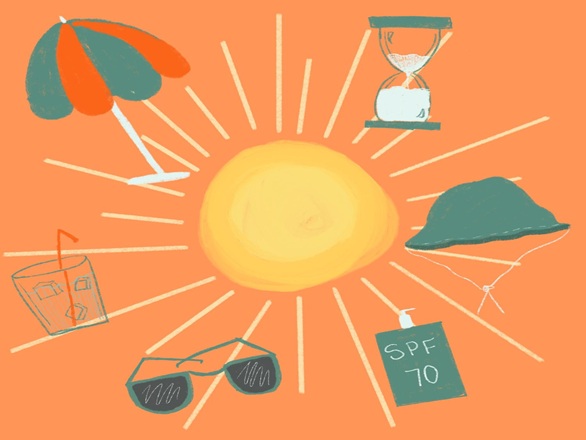
- Stay Hydrated: Drink plenty of water and other fluids to prevent dehydration, especially during hot weather.
- Protective Clothing: Wear lightweight, loose-fitting and light-colored clothing to reflect heat and stay cool.
- Air Conditioning: Utilize air conditioning to stay cool in hot and humid conditions.
- Sun Protection: Apply broad-spectrum sunscreen to protect against sunburn and skin cancer.
- Monitor Health: Keep an eye on signs of heat-related illnesses and seek medical attention if needed.
By following these tips, older adults can enjoy the summer while minimizing the risks associated with excessive heat.
Summer Safety Tips by American Red Cross
Summer Eating for Older Adults
Summer is a time when seniors can enjoy fresh, light and nutritious meals that are easy to prepare and digest. Here are some meal ideas that cater to the dietary needs of older adults during the summer months, keeping seniors hydrated and nourished, supporting their overall health and well-being. Enjoy delicious and healthy options that are easy to prepare and perfect for the hot weather.
Additional recipes available on the SNAP-Ed Connection website.
Healthy Eating clipart
SNAP-Ed Summer Recipes
Tomato Poppers Recipe
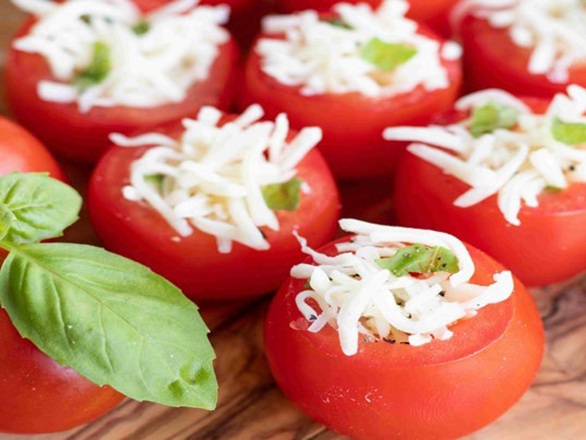
Ingredients:
- 16 cherry tomatoes, tops sliced off and insides scooped out
- 1 bunch basil, torn into small pieces
- 1/2 cup mozzarella cheese, shredded
- Salt and pepper to taste
Directions:
- In a small bowl, combine the cheese, basil, salt and pepper. Mix thoroughly.
- Fill the empty tomatoes with the cheese mixture. Enjoy!
Click for more recipes by UNR Extension
Summer Fruit Salad Recipe
Ingredients:
- 4 oranges, peeled and sliced
- 1 cup strawberries, sliced
- 1 cup pomegranate seeds, opened and seeds removed
- 1 cup mint, chopped
- 1/4 cup sunflower seeds (raw), unsalted
Directions:
- In a large bowl, add oranges, strawberries, pomegranate seeds, mint and sunflower seeds.
- Toss until well combined. Serve and enjoy!
Click for more recipes by UNR Extension
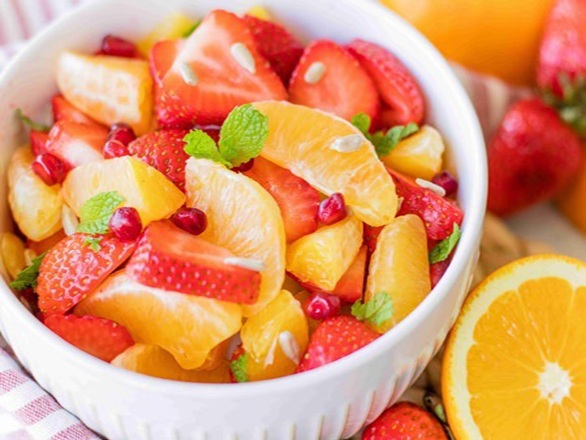
Fruit Salad Recipe photo
Why Brain Games Matter for Seniors

- Boost memory and recall speed
- Improve problem-solving and decision-making
- Strengthen focus and attention span
- Reduce stress through fun and relaxation
- Encourage social interaction and reduce loneliness
Games you can play by AARP
Published by:
Volchok, J., 2026, Healthy LIVING while aging! (2026-06), Extension | University of Nevada, Reno, Newsletter
An EEO/AA Institution. Copyright © 2026, University of Nevada Cooperative Extension.
A partnership of Nevada counties; University of Nevada, Reno; and the U.S. Department of Agriculture