Healthy LIVING while aging! (2026-02)
In this edition
- Taking Heart: Nevada's Cardiovascular Health Program Empowers Older Adults
- Heart-Healthy Diet
About the Newsletter
In this newsletter, you can read about cardiovascular health and about Nevada's Cardiovascular Health Program that's available to help those in need. You can also read about heart healthy snacks, foods, recipes, and even tips for us all to be healthier.
Taking Heart: Nevada's Cardiovascular Health Program Empowers Older Adults
By: Troy Lovick
Heart disease remains Nevada's leading cause of death, but the state's Cardiovascular Health Program is working to change that narrative — especially for older adults who face increased cardiovascular risks. Established in 2013 and funded by the Centers for Disease Control (CDC) with approximately $1.66 million annually, this comprehensive program focuses on prevention, early detection, and treatment of cardiovascular disease across Nevada.
The Nevada Cardiovascular Health Program recognizes healthy aging starts with a healthy heart. The program addresses modifiable risk factors that become increasingly significant as we age, including high blood pressure, high cholesterol, physical inactivity and diet. Beyond individual health factors, the program also tackles social determinants of health — acknowledging health happens in the places we live, learn, work, play and worship.
Education, income and neighborhood living conditions also significantly impact cardiovascular wellness for Nevada's older adults.
Healthy Heart clipart
Through innovative initiatives, the program brings heart-healthy resources directly to communities. The Heart-Healthy Ambassador Blood Pressure Self-Monitoring Program empowers adults to monitor and manage their cardiovascular health at home, while the Fruit and Veggie Prescription Program improves access to affordable, nutritious foods. The statewide cardiovascular health learning collaborative links healthcare providers and community-based organizations to ensure Nevada's seniors receive evidence-based cardiac and stroke care.
A valuable resource connecting older Nevadans to cardiovascular health support is the workshop finder feature on HealNV.com. Through the Compass tool at HealNV, residents can easily locate and register for evidence-based health and wellness workshops in their area. This secure platform offers programs specifically designed for older adults, including Chronic Disease Self-Management, Chronic Pain Self-Management, and Diabetes Self-Management workshops hosted by Sanford Center for Aging. These evidence-based programs empower participants to take control of their health, improve daily functioning, and live more active, fulfilling lives.
The workshops, offered through local healthcare clinics and senior service organizations, provide practical strategies for managing cardiovascular risk factors while fostering meaningful community connections. Whether you're managing high blood pressure, recovering from a cardiac event or seeking to maintain lifelong heart health, these programs offer accessible, effective approaches to cardiovascular wellness.
The Cardiovascular Health Program's collaborative approach — connecting providers, patients, and communities — ensures that Nevada's older adults do not face cardiovascular challenges alone. By strengthening infrastructure, identifying gaps in care, and implementing evidence-based interventions, the program works to reduce disparities in cardiovascular care access and health literacy across the state.
For Nevada's aging population, engaging with these resources means taking proactive steps toward better heart health. VisitHealNV.com today to find a workshop near you and join the movement toward healthier aging in Nevada. Your heart — and your future self — will thank you.
HealNV Website
Heart-Healthy Diet
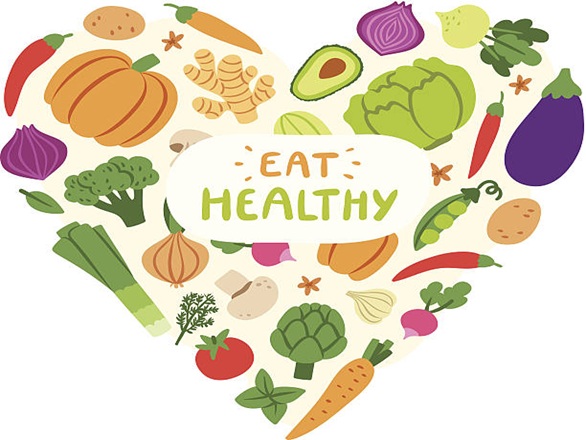
For a heart-healthy diet, focus on fruits, vegetables, whole grains, lean proteins like fish and beans and healthy fats from nuts and olive oil. University of Nevada, Reno Extension recommends limiting foods high in unhealthy fats, sodium and sugar, such as processed foods and sugary drinks. Instead, choose healthier forms of foods and beverages across all food groups, in recommended amounts — make every bite count!
Foods to limit:
- High-fat foods: Reduce your intake of foods high in saturated and trans fats, like red meat and some dairy products.
- Sodium: Limit processed and fast foods, which are often high in sodium.
- Added sugars: Cut back on sugary drinks and snacks, which can lead to weight gain and an increased risk of diabetes.
Recommended foods:
- Fruits and vegetables: Berries, leafy greens, tomatoes, avocado and citrus fruits are rich in vitamins, antioxidants and fiber.
- Whole grains: Choose whole-grain bread, brown rice, oats and pasta over refined grains for lasting energy.
- Lean proteins: Incorporate fish (especially fatty fish, like salmon and tuna), beans, lentils and tofu into your diet.
- Healthy fats: Opt for sources like olive oil, nuts (like walnuts and almonds) and seeds, which support heart and brain health.
- Low-fat dairy: Choose fat-free or low-fat yogurt and milk.
Tips from University of Nevada, Reno Extension:
- Follow the plate method: Fill half your plate with fruits and vegetables, a quarter with whole grains, and a quarter with lean protein.
- Stay hydrated with water: Choose flavored water over sugar-sweetened beverages.
- Make nutritious snacks: Try snacks like roasted chickpeas, apple slices with nut butter, or a fruit and yogurt parfait.
- Cook at home: Prepare meals with fresh ingredients to control the amount of sodium, sugar and unhealthy fats.
- Share meals: Sharing meals with friends and family can help increase food enjoyment.
- Changes: It’s never too late to make improvements to your diet by exploring healthy dietary patterns.
- Customize: Customize your eating choices based on your lifestyle, traditions, culture and individual needs. Make nutritious eating right for YOU.
The American Heart Association recommended diet
Published by:
Lovick, T., 2026, Healthy LIVING while aging! (2026-02), Extension | University of Nevada, Reno, Newsletter
An EEO/AA Institution. Copyright © 2026, University of Nevada Cooperative Extension.
A partnership of Nevada counties; University of Nevada, Reno; and the U.S. Department of Agriculture