A Gentler Way to Garden: Low-Toxicity Weed Control
Keeping a garden healthy doesn’t have to mean reaching for harsh chemicals. More people are turning to low-toxicity weed control, not just for the sake of the environment, but for safer soil, cleaner water, and healthier outdoor spaces for kids, pets, and pollinators. The good news is that natural methods can be just as effective when used early, consistently, and strategically in small home landscapes.
Why Choose Non-toxic Options?
Chemical herbicides often linger in soil and run off, affecting beneficial insects, soil microbes, and nearby waterways. They can also pose safety concerns for kids and pets that may unknowingly play in recently treated areas. Low-toxicity approaches avoid those risks. They also encourage healthier soil, which naturally reduces weed pressure over time.
Practical Low-Toxicity Weed Control Methods
- Mulching — A thick layer of organic mulch (wood chips, straw, shredded leaves[CJ1] ) blocks sunlight, suppresses weed seeds, and improves soil as it breaks down. It’s one of the simplest, most effective long-term strategies. You can also apply an additional layer of cardboard below the mulch (called sheet mulching) to provide a longer-lasting result.
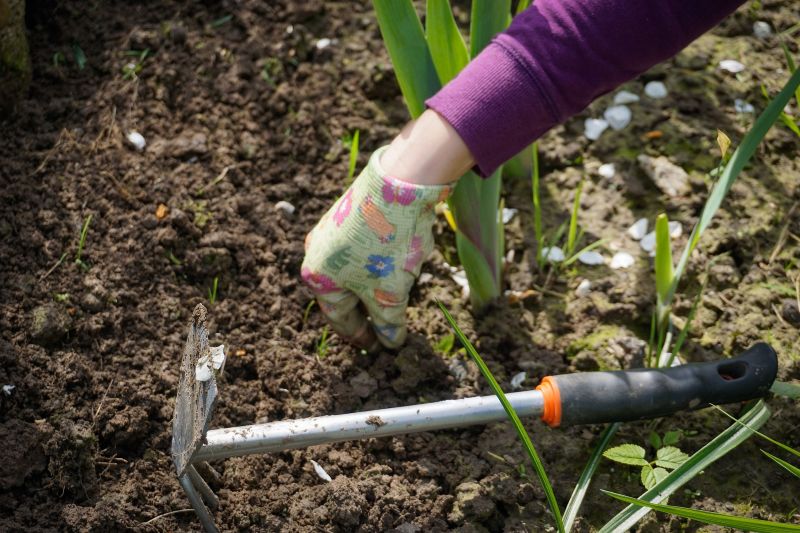
- Hand Weeding & Tools — Pulling weeds when the soil is moist or using tools like a sharp hand trowel or hori-hori knife and stirrup or hula hoe keeps roots from re-establishing. It’s especially effective for young weeds before they set seed. And it can be a nice way to spend some time getting exercise outside instead of in the gym.
- Solarization — Covering soil with clear plastic during the hottest part of the year traps heat and kills weed seeds and pathogens. It’s slow but powerful for reclaiming neglected beds or small areas of high weed infestations.
- Horticultural Vinegar Sprays — While household vinegar (at only 5% acetic acid) is not recommended, horticultural vinegar (20% acetic acid) can work to knock back annual weeds, once they've sprouted. It works best on young annual weeds, not mature ones. Keep in mind that although it is less toxic than other herbicides, it is still a pesticide and should be used with caution. It can cause serious skin/eye irritation, and you are required to read and follow the label instructions and wear proper personal protective equipment.
- Corn Gluten Meal — A natural pre-emergent that prevents seeds from sprouting. It won’t kill existing weeds, but it’s helpful for lawns when applied early before weeds germinate. It also works as a natural, slow-release, high-nitrogen fertilizer. Be sure to apply per the manufacturer’s instructions.
Building a Garden That Resists Weeds Naturally
The most sustainable weed control comes from creating conditions where weeds struggle to thrive. Dense plantings, healthy soil, and regular maintenance reduce the number of open spaces where weeds can take hold. Over time, your garden becomes more self-regulating, and weed pressure drops dramatically.
Remember to Act Early
Staying ahead of weeds is far easier than battling them once they’ve taken over. The most effective strategy is to act early in the spring, when the soil is warming and weeds are just beginning to emerge. Pulling or suppressing them before they flower and go to seed prevents thousands of new seeds from entering the soil and dramatically reduces weed pressure for the rest of the season. With a little early attention and a commitment to low-toxicity methods, your garden can stay healthy, vibrant, and chemical-free all year long.
For more information on specific weed species, visit our Pest Solutions website.
Hyperlink To more