Healthy LIVING while aging! (2026-03)
In this edition
- Silent but serious , kidney disease can be prevented and managed
- Your Kidneys & How They Work
- National Nutrition Month®
- Recipe Ideas that are Healthy for Your Kidneys
About the Newsletter
For National Nutrition Month, read this article to learn tips about how to stay healthier and some healthy recipes that you can try. You can also read about your kidneys and kidney disease so you can learn how to keep your kidneys healthier as well.
Silent but serious , kidney disease can be prevented and managed
By: David St-Jules, Ph.D. and John Westhoff, M.D.
For most of human history, the big problem with food was getting enough of it. Our bodies are built to survive periods of food scarcity. However, like a polar bear in the desert, we are
poorly equipped to handle the abundance of convenient and highly accessible food in much of the world today.
Despite its convenience, the modern food system has brought with it a new set of health problems, many of them silent and slow-moving, such as chronic kidney disease.
To help you understand how changes in our food environment affect kidney health, David St-Jules, a registered dietitian and assistant professor in the Department of Nutrition, and Dr. John Westhoff, professor of internal medicine and assistant dean for student research at the University’s School of Medicine, answer common questions about kidney function, kidney disease and how diet can help maintain healthy kidneys.
Support your Kidneys clipart
Q: What do kidneys do for the body? Your kidneys act like your body’s maintenance crew, keeping everything running smoothly. As blood flows through them, they remove waste and adjust fluids and chemicals. If you eat too much salt or drink too much fluid, your kidneys react quickly to remove the excess. When they stop working, fluid, acid, waste, electrolytes and other components of blood build up, and you get sick fast.
Q: What causes kidney disease? Many people think kidney disease just “happens” by genetics or bad luck. In fact, about two-thirds of kidney failure in the U.S. is caused by diabetes and high blood pressure, conditions often caused, or worsened, by the way we eat.
Q: How common is chronic kidney disease? One in seven U.S. adults has chronic kidney disease, but fewer than one in seven of those with the condition are aware of it. Because early stages may not cause symptoms, many people are not diagnosed until the disease is well advanced.
The bad news is that kidney disease can progress silently for years. You can lose more than half of your kidney function before noticing any changes. At that point, reversing the damage is unlikely, and care focuses on managing complications and slowing the onset of kidney failure.
Q: Who should get their kidneys checked? If you have or are at high risk of diabetes or high blood pressure, ask your doctor about your kidney health. Check with your health care provider or insurance company if you qualify for counseling with a registered dietitian to help protect your kidneys. While diet is not a cure, it is an important part of treatment. Eating the right foods can slow down the disease and reduce complications. The best diet for each patient depends on the stage of disease, other health conditions, medications and overall lifestyle.
Q: Can chronic kidney disease be prevented? Yes. Prevention is the best remedy. Catching the condition early and making simple changes to your diet can go a long way in lowering your risk of complications and kidney failure. Always talk with your primary care provider first. Major dietary changes can affect other conditions or interact with your medications. Your provider can refer you to a renal dietitian, who can create safe, sustainable meal plans tailored to your medical needs and lifestyle.
Regular check-ups, early detection and modest changes to your diet can greatly reduce the risk of complications and slow the progression of chronic kidney disease. Working with your health care team, including a registered dietitian, can help you take practical steps to protect your kidneys and maintain your overall health.
This article originally appeared in Nevada Today and is reprinted here with permission. Visit: https://www.unr.edu/nevada-today.
Kidney Disease resources
Your Kidneys & How They Work
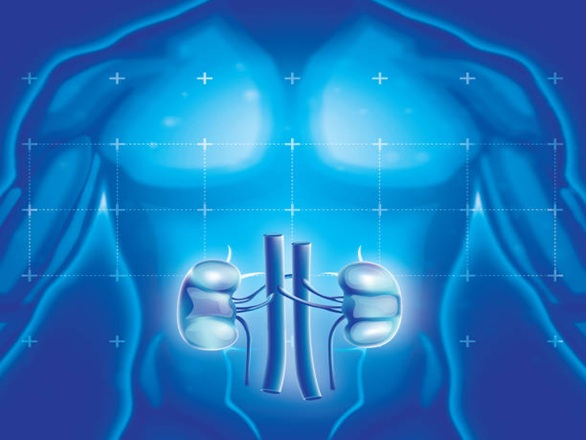
- The kidneys are two bean-shaped organs.
- Each kidney is about the size of a fist.
- Your kidneys filter extra water and waste out of your blood and make urine.
- Kidney disease means your kidneys are damaged and can’t filter blood the way they should.
KIDNEYS & HOW THEY WORK ARTICLE
National Nutrition Month®
"Discover the Power of Nutrition.
It’s National Nutrition Month® and this year's theme is "Discover the Power of Nutrition." Nutrition has the power to help individuals and communities thrive. Discover how food and beverage choices can help power your day. Learn tips for accessing healthy foods in your area. And build healthy habits into your day to help you feel great now and in the future.
National Nutrition Month Website
National Nutrition Month clipart
Recipe Ideas that are Healthy for Your Kidneys
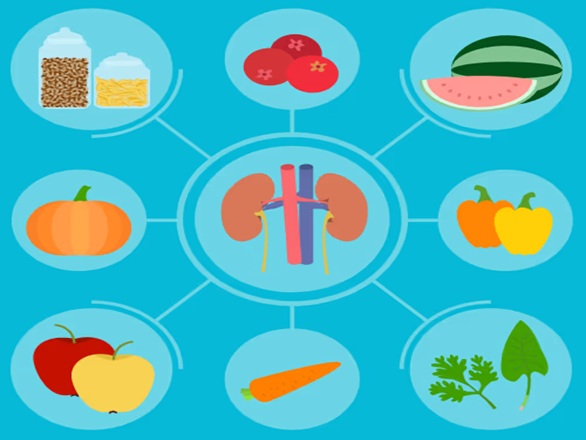
Main Dishes:
o Beef and Vegetable Kebabs: Marinated beef and fresh vegetables grilled for a simple, flavorful meal.
o Herb Grilled Chicken: A versatile and healthy main course that pairs well with various low-potassium sides.
o Fettuccine with clams, basil, tomato, corn and garlic: A light pasta dish incorporating seafood and vegetables.
o Stir-fries: Sautéed beef with snow peas or a general vegetable stir-fry are quick and kidney-friendly options.
Side Dishes & Salads:
- Broccoli with garlic and lemon: A simple, bright side dish.
- Crunchy Quinoa Salad: A protein-packed salad with tomatoes, cucumbers and fresh herbs, often served in lettuce cups.
- Brown rice pilaf: A versatile alternative to plain rice, which can be customized with various herbs and spices.
Breakfast & Snacks:
- Overnight Oats: Oatmeal is a good source of fiber and can be customized with kidney-friendly toppings like berries or nut butters.
- Fruit Salsa and Sweet Chips: A light, refreshing snack.
- Avocado Deviled Eggs: A twist on a classic snack, focusing on healthy fats.
Always consult with a registered dietitian or healthcare provider to determine the appropriate dietary plan for specific kidney health needs. For more information on managing diets with kidney disease, you can find a registered dietitian through the National Kidney Foundation or the Academy of Nutrition and Dietetics.
Look for recipe suggestions provided by Mayo Clinic, visit https://www.mayoclinic.org/healthy-lifestyle/recipes
More recipe suggestions provided by Mayo Clinic
Published by:
St-Jules, D. and Westhoff, J., 2026, Healthy LIVING while aging! (2026-03), Extension | University of Nevada, Reno, Newsletter
An EEO/AA Institution. Copyright © 2026, University of Nevada Cooperative Extension.
A partnership of Nevada counties; University of Nevada, Reno; and the U.S. Department of Agriculture