Healthy LIVING while aging! (2026-04)
In this edition
- Keep Calm and Carry On
- Move more – How much physical activity do you need?
- FACTS TO MOVE YOU
- Congratulations, Graduates!
About the Newsletter
In April's newsletter you can read about how to handle stress and ways that you can help you cope with anxiety and stress. You can also read about the importance of physical activity and see some graduates from our exercise program for older adults called "Bingocize"!
Keep Calm and Carry On
by Micah Stoor
You may have heard the phrase “Keep Calm and Carry On.” It resurfaced in the early 2000s, appearing on posters, mugs and t-shirts, and being shared on social media. But the message dates to 1939, when the British government created it to encourage calm at the start of World War II. Its meaning was simple: even in times of uncertainty, people can choose to stay calm and keep moving forward. That reminder still matters today— especially when it comes to managing stress.
As a mental health professional, I often speak with older adults who feel overwhelmed. Aging brings many changes, including health concerns, retirement, financial adjustments, caregiving responsibilities and the loss of loved ones. Even expected or positive changes can feel heavy at times. Much of this discomfort is connected to stress.
Stress Awareness Month clipart
Stress affects both the mind and body. People experiencing high levels of stress may notice trouble sleeping, muscle tension, headaches, stomach issues or low energy. Emotionally, stress can show up as excessive worry, sadness, irritability or a short temper. When we are stressed, our bodies release cortisol, a hormone that helps us respond to danger. While cortisol is useful in short-term bursts, long-
term stress can keep levels elevated, affecting heart health, memory and overall well-being.
The goo d news is that simple habits can help reduce stress and improve overall health!
- Slow breathing signals safety to your body. Try breathing in slowly for four seconds, holding for four seconds, breathing out for four seconds and holding again for four seconds. Repeat this four times to help regulate your nervous system.
- Move your body. Gentle movements, such as walking or stretching, can lower stress hormones and improve mood by releasing endorphins, relieving muscle tension, increasing oxygen flow and lowering cortisol levels.
- Stay connected. Social connection is one of the strongest protectors against stress. Calling afriend, attending a community activity or spending time with loved ones can improve emotional well-being.
- Create small routines. Daily structure brings stability. Simple daily habits like enjoying a morning coffee, gardening, reading or spending time with a pet may provide structure and stability.
- Know when to ask for help. Reaching out is not a sign of weakness, but rather, a step towards contentment. If stress begins to interfere with sleep, appetite or daily life,talking with a healthcare provider or counselor can be helpful.
Life will always bring change. But with steady habits, strong connections and the courage to seek support, it is possible to “Keep Calm and Carry On.”
Additional information related to, “Keep Calm and Carry On.”
If you live in Nevada, statewide resources are available:
-Nevada Aging and Disability Services Division (ADSD) connects older adults and caregivers to servicessuch as meals, transportation and support services. Visit adsd.nv.gov for more information!
-If you are experiencing emotional distress, call or text 988 to reach the 988 Suicide and Crisis Lifeline, available 24 hours a day.
-Nevada 211 is free and confidential. Dial 2-1-1 to connect with local services, including housing, food andmental health support.
Nevada 211 Website
Move more – How much physical activity do you need?
- Fit in 150+
Get at least 150 minutes per week of moderate-intensity aerobic activity or 75 minutes per week of vigorous aerobic activity (or a combination of both), preferably spread throughout the week.
- Move more, sit less
Get up and move throughout the day. Any activity is better than none. Even light-
intensity activity can offset the serious health risks of being sedentary.
- Add intensity
Moderate to vigorous aerobic exercise is best. Your heart will beat faster and you’ll breathe harder than normal. As you get used to being more active, increase your time and/or intensity to get more benefits.
- Add muscle
Include moderate-to high-intensity muscle-strengthening activity such as resistance or weighttraining, at least twice a week.
- Feel better
Physical activity is one of the best ways to keep your body and brain healthy. It relieves stress, improves mood, gives you energy, helps with sleep and can lower your risk of chronic disease, including dementia and depression.
Move more, with more intensity, and sit less.
American Heart Association Fitness- Move More Website
FACTS TO MOVE YOU
Walk more. Stress less. Walking is one of the simplest ways to get and stay active. Walking is the most popular form of exercise. No wonder! For most people, it’s safe, low-or no-cost and it’s easy to stick with. (And did we mention it’s fun? Especially with friends.) Research has shown that walking can have a significant impact on your health by lowering your chances of heart disease. Walking at a lively pace for at least 150 minutes a week can help you think better, feel better and sleep better. Join in on Wednesday, April 2, for National Walking Day!
Make a move. One in four U.S. adults sits for longer than eight hours each day. Sitting for too long can hurt your physical and mental health. A recent study found that swapping just 30 minutes of sitting with low-intensity physical activity reduced the risk of death by 17%. If everyone increased their activity, even by a small amount, we would see an improvement in health and lower the cost of disease in the United States.
American Heart Association Website
Congratulations, Graduates!
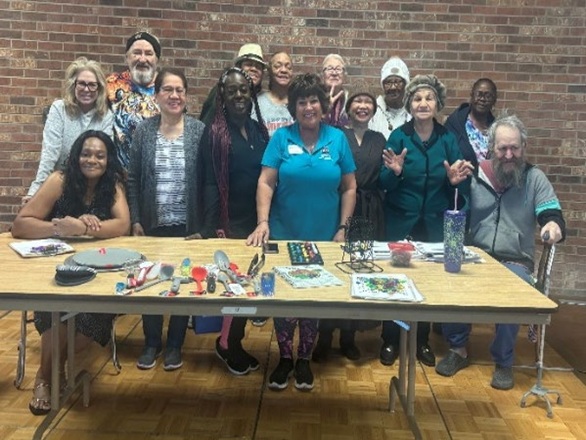
Bingocize® graduates from the Arthur D. Sartini Plaza in Clark County, NV, taught by Victoria Gardner, Community-Based Instructor with University of Nevada, Reno Extension’s Healthy Aging Initiative team. Contact HealthyAging@unr.edu for more information about bringing Bingocize® to a neighborhood site near you.
Healthy Aging Initiative Website
Published by:
Stoor, M., 2026, Healthy LIVING while aging! (2026-04), Extension | University of Nevada, Reno, Newsletter
An EEO/AA Institution. Copyright © 2026, University of Nevada Cooperative Extension.
A partnership of Nevada counties; University of Nevada, Reno; and the U.S. Department of Agriculture