Healthy LIVING while aging! (2026-01)
In this edition
- Lifelong learning encourages
health, connection and purpose
- Welcome to the New Year!
- Winter Wellness Corner
- Recipe of the Month
About the Newsletter
Happy New Year! Let's start off the new year by reading about how you can promote well-being as you age. You can also get ideas about New Year's resolutions that you can make for yourself or a new recipe to start the year off with.
Lifelong learning encourages health, connection and purpose
By: Dolores Ward Cox
Keeping our minds and bodies engaged is one of the mosteffective strategies for promoting well-being as we age. A holistic view of aging considers cognitive, physical, emotional and existential dimensions — each playing a role in how we age and thrive.
A study published in The Journals of Gerontology found that adults over the age of 50 who engaged in learning three new skills — such as a language, photography or drawing — demonstrated marked improvements in cognitive function. This aligns with longstanding
gerontological principles emphasizing that mental stimulation across the lifespan enhances brain health and adaptability.
The concept of “use it or lose it” is more than a common adage. The National Library of Medicine highlights that adult neurogenesis — the formation of new neurons —
does occur in later life, but these new cells require stimulation to be functionally integrated into existing neural pathways. While some level of neuronal attrition is typical in the aging process, significant or accelerated loss can signal underlying neurodegenerative conditions such as Alzheimer’s disease or other forms of dementia.
While research into cognitive decline is extensive and multifaceted, one thing is clear: Engaging in lifelong learning offers measurable cognitive benefits. It may not prevent dementia entirely, but it can play a role in delaying its onset and supporting overall brain health. Mental
engagement through structured or informal learning strengthens neural resilience and boosts memory — making it an accessible and meaningful tool for aging well.
Equally important is the emotional and social dimension of aging. According to Nevada Tomorrow, 76.5% of Washoe County residents age 65 and older report experiencing social isolation. Isolation is a risk factor for numerous adverse health outcomes, and programs like the Osher Lifelong Learning Institute (OLLI) address this by creating space for connection, purpose and belonging.
While formal learning environments aren't necessary to keep the mind engaged, they do provide valuable structure, a sense of community and consistent opportunities for growth. The OLLI at the University of Nevada, Reno is one of 124 institutes nationwide dedicated to lifelong learning for individuals age 50 and older. Through intellectually stimulating lectures, engaging interest groups in areas like the arts, languages and literature, active outdoor activities such as hiking and kayaking, OLLI supports physical, cognitive and social vitality.
But lifelong learning is about more than staying mentally active or socially connected — it’s about reclaiming purpose. A study in the National Library of Medicine shows that having a sense of purpose is associated with positive health outcomes and overall life satisfaction. For many older adults, retirement or evolving family roles can create a shift in identity. Lifelong learning helps fill that space, offering meaning, direction and a sense of contribution in this stage of life.
Aging well demands a broader, more inclusive understanding — one that honors the whole person. It means nurturing not just the mind and body, but also joy, relationships and a deeper sense of meaning.
OLLI AT UNLV PROGRAMS FOR OLDER ADULTS
Welcome to the New Year!
A note from the Healthy Aging Initiative Team:

“Every year is a fresh chapter. May 2026 bring you peace, joy and good health!”
January Highlights- Gentle New Year's Resolutions
Start small! Here are a few fun and realistic ideas:
- Take a short walk 3 times a week
- Try one new healthy recipe
- Write a letter to an old friend
- Read a new book each month
HEALTHY AGING INITIATIVE WEBSITE
Winter Wellness Corner
Stay Warm & Safe
- Dress in layers, including a hat and gloves
- Keep sidewalks and steps clear of ice
- Drink warm liquids to stay hydrated
Did You Know?
Shorter days can affect mood. Open blinds during the day and sit near windows when
possible. Consider a light therapy lamp!
WAYS TO STAY SAFE IN THE WINTER
Recipe of the Month
Hearty Winter Vegetable Soup
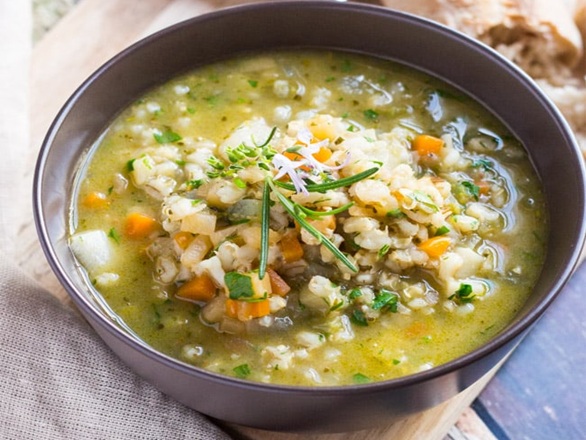
Ingredients: Carrots, celery, potatoes, onion, broth, seasonings
Instructions:
- Chop all veggies and sauté in olive oil.
- Add broth and simmer for 30–40 minutes.
- Season with salt, pepper, and herbs. Enjoy with bread!
Published by:
Cox, D., 2026, Healthy LIVING while aging! (2026-01), Extension | University of Nevada, Reno, Newsletter
An EEO/AA Institution. Copyright © 2026, University of Nevada Cooperative Extension.
A partnership of Nevada counties; University of Nevada, Reno; and the U.S. Department of Agriculture