Healthy LIVING while aging! (2026-05)
In this edition
- Belonging Matters: Celebrating Older Americans Month
- Healthy Vision Month for Older Adults -Eyesight and a Healthy Diet
- Eating for Healthy Eyes!
- May 27 is National Senior Health & Fitness Day
About the Newsletter
For the month of May, you can read about how it's National Vision month and how you can keep your eyes as healthy as you can. You can learn about foods and other tips that can help with your vision. You can also learn about National Senior Health & Fitness Day and why it's so important to keep moving!
Belonging Matters: Celebrating Older Americans Month
by Natalie Mazzullo, M.Ed.
Celebrated every May, Older Americans Month is ledby the Administration for Community Living (ACL). Established in 1963, Older Americans Month is a time to recognize older Americans' contributions, highlight aging trends and reaffirm commitments to serving the older adults in our communities. The 2026 Older Americans Month theme is “The Power of Belonging,” focusing on amplifying voices, advancing justice and accelerating connection for older adults. This theme emphasizes building communities where every older person feels valued, supported and seen.
Older Americans Month also serves to raise awareness concerning elder abuse and neglect. As we age, the risk of abuse and neglect increases. We must be sure resources are in place to protect our older population from the risks of abuse and neglect. One way is to maintain involvement in community activities and social activities. It helps to maintain our overall health and vitality.
Older Americans Month clipart
The Administration for Community Living (ACL) encourages us to consider these points as we discuss the “Power of Belonging” within our communities:
- • The words we use shape our perceptions. This Older Americans Month, we’re sharing ways to rethink how we talk about aging. Instead of “She still drives,” simply say “She drives.” Phrases like “still” often reinforce ageist assumptions. Small shifts like this can make a big impact.
- How do you show belonging? Share photos that show aging is an opportunity, not a limitation whether it’s pursuing a new passion, giving back to the community or redefining expectations.
- Ever heard someone blame forgetfulness on a “senior moment?" It reinforces the stereotype that minor memory lapses happen to people of all ages. Small language changes help us.
- Learning doesn’t stop with age — it evolves. In fact, adults over 60 are among the fastest-growing group of online learners. Let’s celebrate the pursuit of knowledge at every stage of life. What new skill or subject are you exploring? Share your experience withothers.
- Physical activity is key to staying healthy at every stage of life. Whether it’s yoga, dancing, hiking, or daily walks, movement helps maintain strength and independence. This Older Americans Month and beyond, let’s challenge the idea that aging means slowing down.
- Older Americans Month is underway, but there’sstill time to get involved! Find ideas for activities todo on your own or with your community.
- Many chronic conditions once thought to be anatural part of aging can be prevented/managed through proper nutrition, healthy lifestyle choices and strong community support. Commit to your health in this Older Americans Month.
2026 is all about taking bold new steps, trusting the unknown and moving into a fresh cycle, without forgetting the lessons of the past. The United States will mark a major historic milestone in 2026 — marking 250 years since the signing of the Declaration of Independence on July 4, 1776. This is officially known as the United States’ Semiquincentennial (or “America 250”) and it’s being observed with celebrations, educational programs, community events and national initiatives throughout the year! Be a part of the happenings in your community – get involved and join in the “Power of Belonging!”
Older Americans Month Website
Healthy Vision Month for Older Adults -Eyesight and a Healthy Diet
Peter Cottontail may know where he hid the eggs, but I am not sure he could find them if he were the one hunting for them! Those carrots he was eating to improve his eyesight just weren’t enough to make a difference. While a healthy diet is important, there are other things that can also improve our chances of healthy vision as we age.
Regular exercise can reduce the risk of macular degeneration by up to 70 percent. Quitting smoking can reduce your risk of macular degeneration and cataracts. Wearing good sunglasses with UV protection can protect your eyes from harmful rays, reducing your risk of cataracts and other eye damage.
Most importantly, have your eyes checked yearly. You may not notice any symptoms, but special tests during your exam can help detect risks for major eye diseases. Tell your doctor if you notice changes in your vision, such as double vision, haziness, difficulty in low light, flashes, floaters, eye pain or swelling. Discuss your medical and family history, as some diseases, such as diabetes and high blood pressure, left untreated, can cause eye problems. Peter Cottontail might just want to take some advice from his pal Bugs Bunny and inquire, “What’s up, Doc?”
NATION EYE INSTITUTE VISION MONTH WEBSITE
Eating for Healthy Eyes!
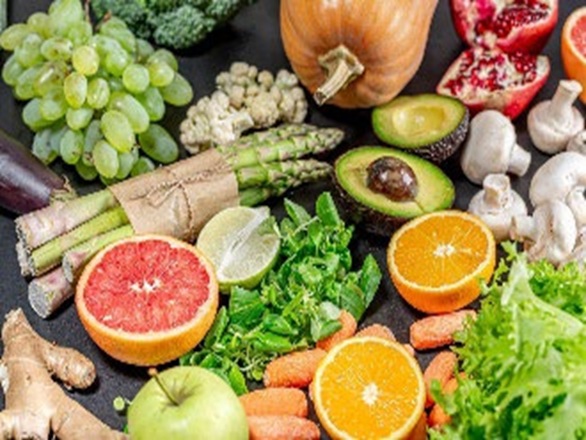
- Eat 100% whole wheat, grains, pasta and cereals. Sugars and refined white flours commonly found in breads and cereals may increase your risk of age-related eye diseases.
- Choose healthy fats. Omega-3 essential fatty acids found in fish, flaxseed oil, walnuts and canola oil help to prevent dry eyes and possibly cataracts. Eat fish or seafood twice weekly or take flax oil every day. Avoid saturated fats from red meats and dairy products that may increase your risk of macular degeneration. Lean meats and seafood are also excellent sources of zinc, which, if deficient, is linked to poor night vision and cloudy cataracts.
- Eat dark, leafy green vegetables. Load up on greens! Lutein, found in dark green leafy vegetables such as spinach and kale, is one of the best-known eye-protecting antioxidants. Sweet corn, peas and broccoli also contain large amounts of lutein.
- Avoid sodium. High sodium intake may add to your risk of cataract formation. Use less salt and look for sodium content on the labels of canned and packaged foods. Stay below 2,000 mg of sodium each day. Choose fresh and frozen foods whenever possible.
- Stay hydrated. Proper hydration may reduce irritation from dry eyes.
American Academy of Ophthalmology Healthy Eye tips
May 27 is National Senior Health & Fitness Day
Here are some quick tips for staying active, healthy and fit:
♥ Movement is medicine. Staying active helps improve strength, balance and independence as we age.
♥ It’s never too late to start. Even small amounts of movement can make a big difference.
♥ Every minute counts. Aim for regular activity, but do what feels right for your body.
♥ Exercise helps the mind and mood. Staying active can boost energy, reduce stress and support brain health.
♥ Celebrate what your body can do today. Fitness looks different for everyone — just keep moving safely!
Fitness Day Website
Published by:
Mazzullo, N., 2026, Healthy LIVING while aging! (2026-05), Extension | University of Nevada, Reno, Newsletter
An EEO/AA Institution. Copyright © 2026, University of Nevada Cooperative Extension.
A partnership of Nevada counties; University of Nevada, Reno; and the U.S. Department of Agriculture