Not all plant problems are caused by pests!
When we see damage to our landscape plants or lawns, we tend to immediately think, “What pest caused this problem?” Many times, the damage we see may not have been caused by a pest. Causes of plant damage include too much water, too little water, salt or salty soil problems, too much sun, too little sun or other things that stress plants.
Sometimes our gardening practices are harmful to plants.
For example, placing too thick a layer of mulch, accidently applying pesticides where we didn’t want them or forgetting to give our plants water in the winter when the weather is too dry can all lead to plant damage that is not caused by pests or diseases.
Weather, humans or pets may be the cause of your plant problems.
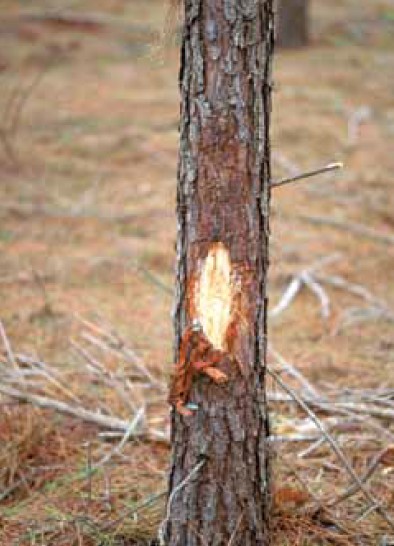
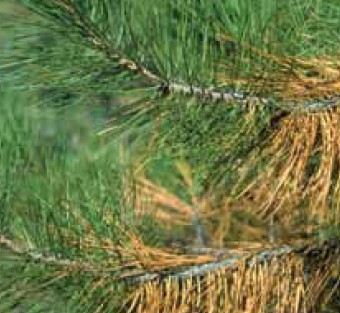
Before you apply another product to your plants, make sure you know the cause of the problem. These photos show some common problems. None were caused by pests.
How can I tell if an insect pest might be causing my problem? Things to look for:
- Live insects. Get them identified, so you know if they’re pests or good bugs.
- Webbing or silk on leaves or stems, left by mites or caterpillars.
- Insect remains, such as egg shells, mummies, cocoons, trails of silk or droppings.
- Scale or aphid protective coverings, generally waxy substances.
- Honeydew, a sticky liquid left by some insect pests, such as aphids.
- Sawdust, wood chips or pitch balls found on the tree trunk or at the base of the tree. This may indicate bark beetles or wood borers.
Examples:
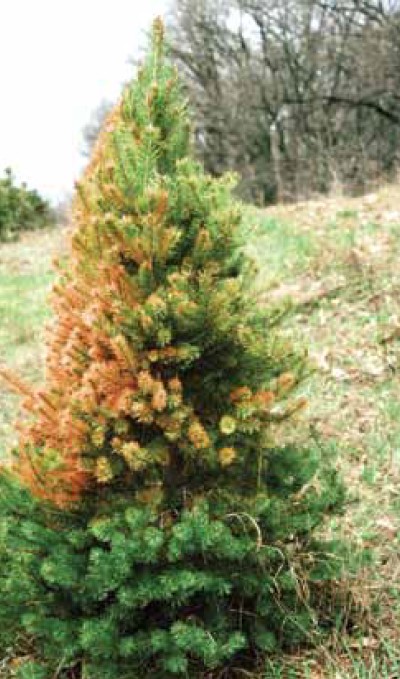
The tree at left is suffering from winter injury. G. K. Douce, University of Georgia, Bugwood.org.
People caused the injury to the tree at right. USFS, Bugwood.org.
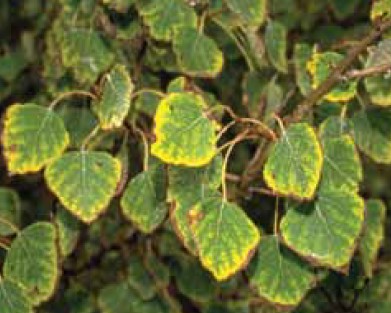
The yellow and brown edges on the leaves above were caused by road salts. W. Jacobi, Colorado State University, Bugwood.org.
The yellowing on these inner, older pine needles is normal. This happens on pine trees every year in late summer. L. Livingston, Idaho Department of Lands, Bugwood.org
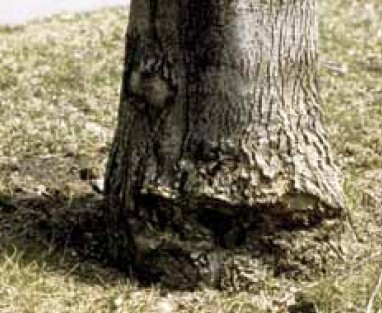
The damage to this tree trunk was caused by a string trimmer. J. O’Brien, USDA Forest Service, Bugwood.org
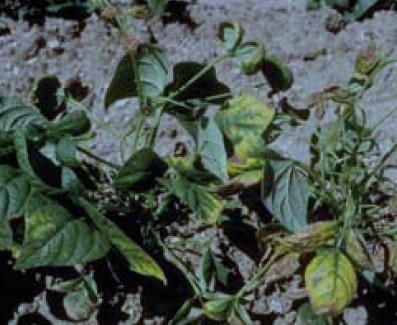
Pesticides caused the yellowing and wilting shown on this plant. H. Schwartz, Colorado State University, Bugwood.org
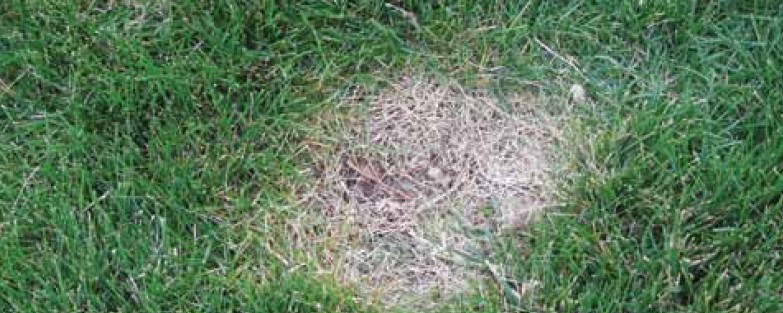
The dead spots in the above lawn photos were not caused by insect pests or diseases.
The spot above was caused by dog urine. S. Donaldson, UNCE
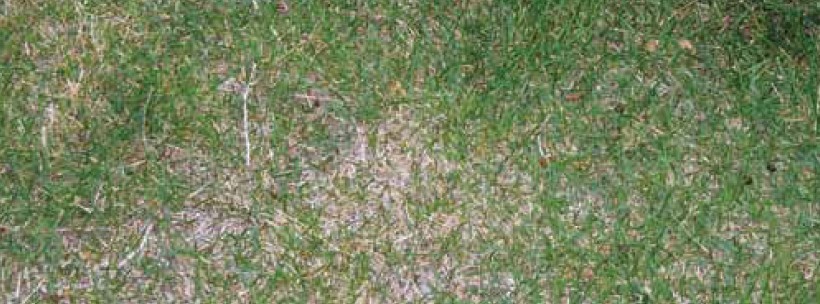
This spot was caused by uneven watering. S. Donaldson, UNCE
University of Nevada, Reno Extension
The above information is based on a printed factsheet (Are you Sure You Have a Pest Problem? ) originally published in 2012.